Navigating Conflicts in History: Striving for Equality and Equity to Avoid Tragedy
Category : | Sub Category : Posted on 2024-10-05 22:25:23
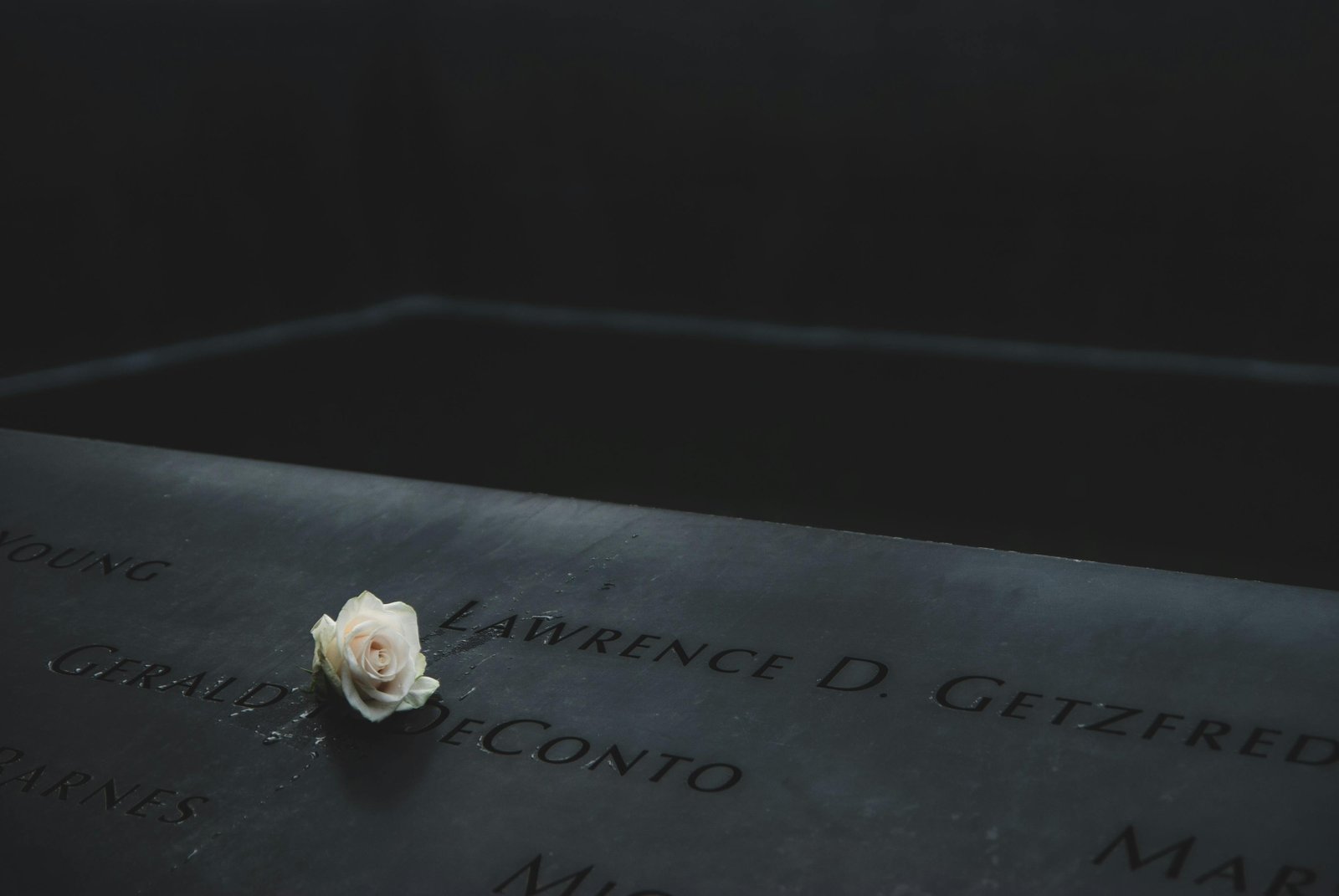
In the annals of history, conflicts have been a constant presence, shaping the course of nations and societies. Many of these conflicts have stemmed from the lack of equality and equity among different groups, leading to tragic consequences. From wars and revolutions to civil unrest and oppression, the consequences of a lack of equality and equity in society have been profound. One of the most well-known conflicts in history that arose from issues of inequality and injustice was the American Civil Rights Movement. African Americans fought for equal rights and opportunities in a deeply segregated society that denied them basic civil liberties. The struggle for equality led to tragic events such as the assassination of civil rights leader Martin Luther King Jr. and violent clashes between protesters and law enforcement. However, the movement also paved the way for significant progress in racial equality and justice in the United States. Similarly, the French Revolution was fueled by societal inequalities that had been simmering for years. The vast divide between the nobility and the common people culminated in a bloody revolution that ultimately led to the execution of King Louis XVI and the Reign of Terror. The revolution highlighted the need for greater equity and fairness in society to prevent such tragic events from occurring again. In more recent history, the conflict in Rwanda serves as a stark reminder of the devastating consequences of ethnic inequality and discrimination. The genocide that took place in 1994 resulted in the massacre of an estimated 800,000 Tutsis and moderate Hutus in a matter of months. The lack of equity and justice in Rwandan society, fueled by years of colonial rule and ethnic tensions, led to one of the darkest chapters in modern history. To avoid such tragic outcomes in the future, it is essential for societies to strive for greater equality and equity for all individuals. This includes addressing systemic injustices, promoting diversity and inclusion, and fostering a culture of empathy and understanding. By recognizing and rectifying inequalities in all their forms, societies can build a more just and peaceful world for future generations. In conclusion, conflicts in history have often been rooted in issues of inequality and injustice, leading to tragic consequences for countless individuals. By prioritizing equality and equity in society, we can work towards preventing such tragedies from recurring and building a more harmonious and just world for all. It is only by acknowledging and addressing these disparities that we can pave the way for a more equitable and peaceful future for all.
Leave a Comment:
SEARCH
Recent News
- Zurich, Switzerland is a vibrant city known for its rich cultural scene and diverse music offerings. One unique aspect of Zurich's music scene is the presence of Sudanese music, which has found a home in the city's melting pot of cultures.
- Visiting Zurich, Switzerland, can be an enriching experience for music lovers from all corners of the world. While the city may not be the first place that comes to mind when thinking about South African music, Zurich's diverse music scene offers a glimpse into the vibrant sounds of this African nation.
- Zurich, Switzerland is a vibrant city known for its stunning architecture, picturesque landscapes, and rich culture. One aspect of Zurich's cultural scene that often goes under the radar is its regional music. The city and its surrounding areas are home to a diverse range of musical styles, reflecting the multiculturalism and artistic diversity of the region.
- Top 5 Zurich Regional Movies You Must Watch
- Zurich, Switzerland, is a vibrant city known for its stunning architecture, picturesque landscapes, and thriving cultural scene. In recent years, the city has also become a hub for film production, attracting filmmakers from around the world. Interestingly, a connection has emerged between Zurich and Paraguay through the medium of film.
- Zurich, Switzerland: Discovering the Vibrant Norwegian Music Scene
- Zurich - A Hub for Hungarian Films
- Zurich, Switzerland: A Hub for Estonian Music
READ MORE
8 months ago Category :

Zurich, Switzerland is a vibrant city known for its rich cultural scene and diverse music offerings. One unique aspect of Zurich's music scene is the presence of Sudanese music, which has found a home in the city's melting pot of cultures.
Read More →8 months ago Category :

Visiting Zurich, Switzerland, can be an enriching experience for music lovers from all corners of the world. While the city may not be the first place that comes to mind when thinking about South African music, Zurich's diverse music scene offers a glimpse into the vibrant sounds of this African nation.
Read More →8 months ago Category :

Zurich, Switzerland is a vibrant city known for its stunning architecture, picturesque landscapes, and rich culture. One aspect of Zurich's cultural scene that often goes under the radar is its regional music. The city and its surrounding areas are home to a diverse range of musical styles, reflecting the multiculturalism and artistic diversity of the region.
Read More →8 months ago Category :
