The Role of Communication Tools in the Rwanda Tragedy
Category : | Sub Category : Posted on 2024-10-05 22:25:23
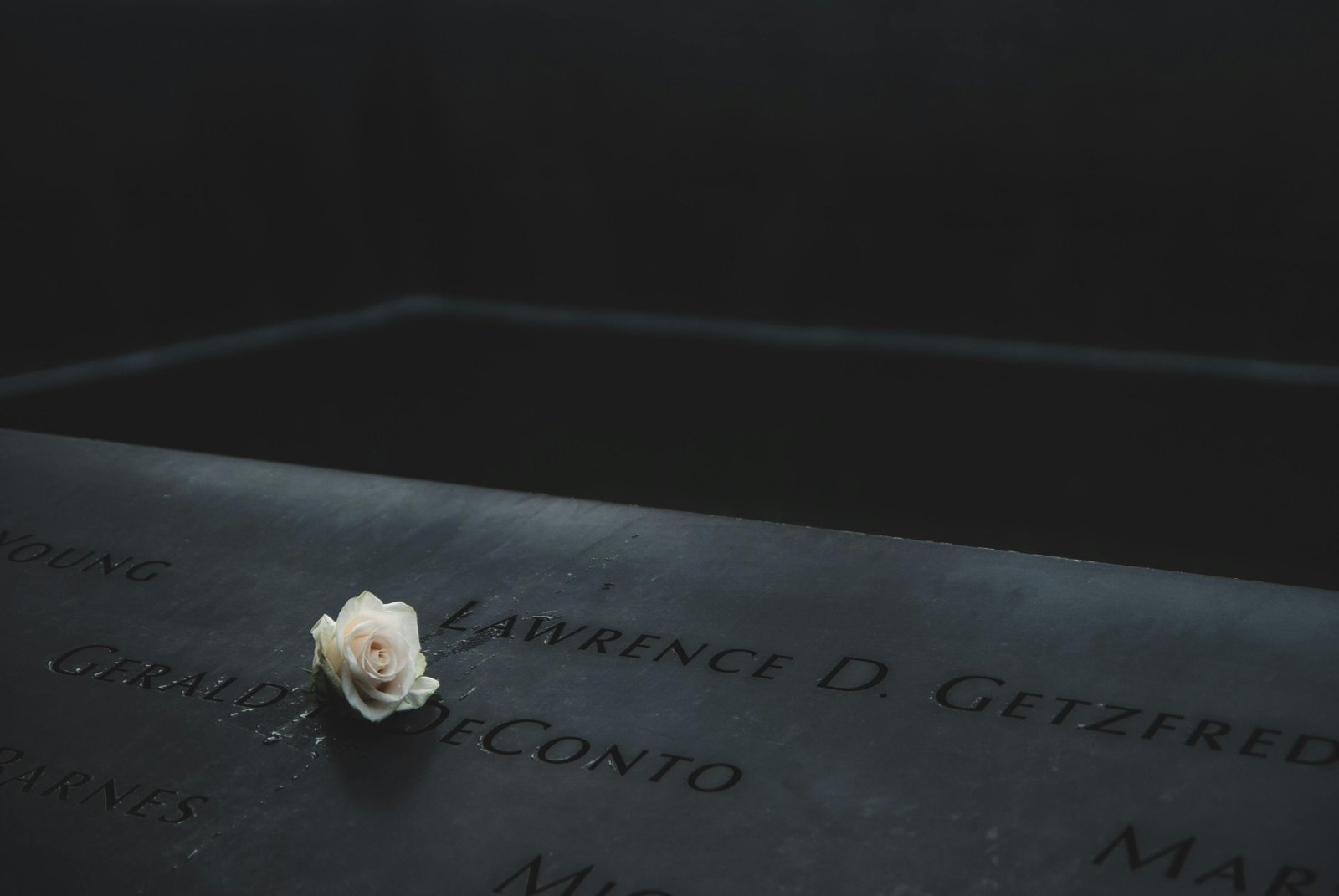
The Rwanda Genocide in 1994 was a dark chapter in human history, marked by unimaginable violence and mass killings that occurred within a span of 100 days. As we reflect on this tragedy, it is important to examine the role of Communication tools in shaping and escalating the conflict that led to such devastating consequences. Communication tools, such as radio broadcasts and print media, played a significant role in fueling the hatred and inciting violence during the Rwanda Genocide. Prior to the genocide, extremist groups used these platforms to spread propaganda and hate speech targeting the Tutsi ethnic group, portraying them as enemies of the state. The dissemination of false information and dehumanizing rhetoric through these communication channels contributed to the dehumanization of the Tutsi population and created a climate of fear and mistrust. Radio stations like Radio Télévision Libre des Mille Collines (RTLM) and newspapers like Kangura were instrumental in spreading propaganda and sowing seeds of division among the Rwandan population. RTLM, in particular, broadcasted inflammatory messages and propaganda that called for the extermination of Tutsis, effectively using their reach to mobilize and incite violence against the minority group. The power of these communication tools to influence public opinion and shape perceptions cannot be underestimated, as they played a critical role in galvanizing support for the genocide and mobilizing perpetrators to carry out acts of violence. Moreover, the lack of responsible journalism and ethical standards in media reporting during the Rwanda Genocide amplified the impact of these communication tools in perpetuating mass atrocities. Journalists and media practitioners failed to uphold their duty to report truthfully and impartially, instead becoming complicit in spreading misinformation and hate speech that fueled the violence. The absence of balanced and factual reporting allowed for the unchecked dissemination of propaganda that further polarized the population and contributed to the escalation of the conflict. In hindsight, the Rwanda Genocide serves as a stark reminder of the power of communication tools in shaping narratives, influencing public opinion, and driving social and political outcomes. The tragic consequences of the misuse of these tools during the genocide highlight the importance of responsible and ethical communication practices in promoting peace, dialogue, and reconciliation in society. As we reflect on the Rwanda Genocide and its aftermath, it is crucial to recognize the impact of communication tools in shaping the course of history and learn from the mistakes of the past. By promoting media literacy, fostering dialogue, and upholding ethical standards in communication, we can strive to prevent the recurrence of such tragedies and contribute to building a more inclusive and peaceful society for all.
Leave a Comment:
SEARCH
Recent News
- Zurich, Switzerland is a vibrant city known for its rich cultural scene and diverse music offerings. One unique aspect of Zurich's music scene is the presence of Sudanese music, which has found a home in the city's melting pot of cultures.
- Visiting Zurich, Switzerland, can be an enriching experience for music lovers from all corners of the world. While the city may not be the first place that comes to mind when thinking about South African music, Zurich's diverse music scene offers a glimpse into the vibrant sounds of this African nation.
- Zurich, Switzerland is a vibrant city known for its stunning architecture, picturesque landscapes, and rich culture. One aspect of Zurich's cultural scene that often goes under the radar is its regional music. The city and its surrounding areas are home to a diverse range of musical styles, reflecting the multiculturalism and artistic diversity of the region.
- Top 5 Zurich Regional Movies You Must Watch
- Zurich, Switzerland, is a vibrant city known for its stunning architecture, picturesque landscapes, and thriving cultural scene. In recent years, the city has also become a hub for film production, attracting filmmakers from around the world. Interestingly, a connection has emerged between Zurich and Paraguay through the medium of film.
- Zurich, Switzerland: Discovering the Vibrant Norwegian Music Scene
- Zurich - A Hub for Hungarian Films
- Zurich, Switzerland: A Hub for Estonian Music
READ MORE
10 months ago Category :

Zurich, Switzerland is a vibrant city known for its rich cultural scene and diverse music offerings. One unique aspect of Zurich's music scene is the presence of Sudanese music, which has found a home in the city's melting pot of cultures.
Read More →10 months ago Category :

Visiting Zurich, Switzerland, can be an enriching experience for music lovers from all corners of the world. While the city may not be the first place that comes to mind when thinking about South African music, Zurich's diverse music scene offers a glimpse into the vibrant sounds of this African nation.
Read More →10 months ago Category :

Zurich, Switzerland is a vibrant city known for its stunning architecture, picturesque landscapes, and rich culture. One aspect of Zurich's cultural scene that often goes under the radar is its regional music. The city and its surrounding areas are home to a diverse range of musical styles, reflecting the multiculturalism and artistic diversity of the region.
Read More →10 months ago Category :
