Exploring the Intersection of Tragedy and Architecture in Historical Conflicts
Category : | Sub Category : Posted on 2024-10-05 22:25:23
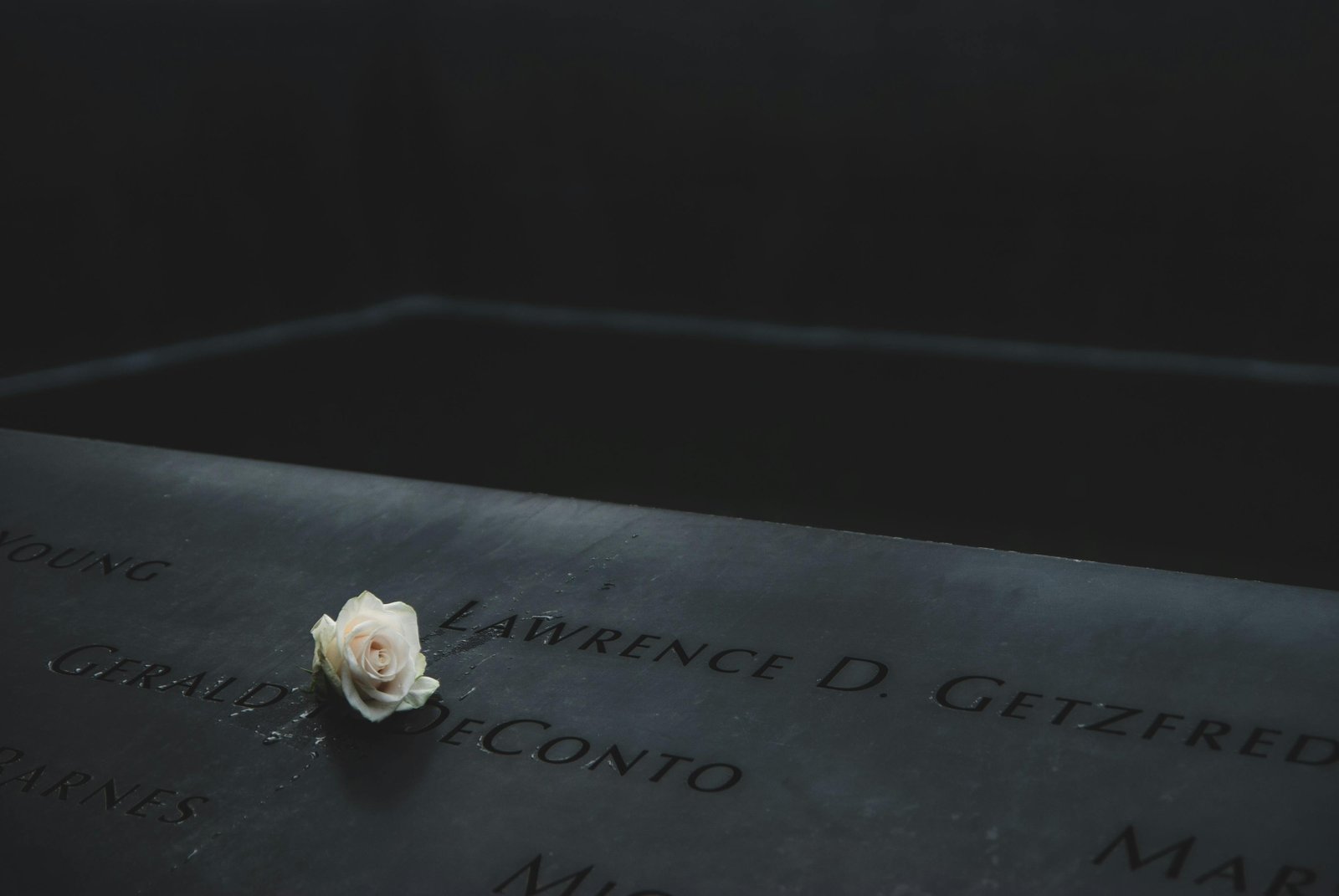
Architecture is often a reflection of society's values, beliefs, and experiences. Throughout history, tragic events such as conflicts and wars have left a lasting impact on the architectural landscape. From ruins that serve as poignant reminders of the past to memorials that honor the fallen, the connection between tragedy and architecture is both powerful and profound. The aftermath of conflicts has given rise to various architectural responses, each telling a unique story of loss, resilience, and remembrance. One poignant example is the Hiroshima Peace Memorial Park in Japan, which stands as a solemn tribute to the victims of the atomic bombing of Hiroshima during World War II. The park's centerpiece, the Genbaku Dome, also known as the A-Bomb Dome, stands as a stark reminder of the devastation caused by war and serves as a symbol of hope for a peaceful future. Similarly, the 9/11 Memorial and Museum in New York City commemorates the lives lost during the terrorist attacks on September 11, 2001. The memorial features two reflecting pools set within the footprints of the Twin Towers, surrounded by bronze panels inscribed with the names of the victims. The design of the memorial evokes a sense of contemplation and reverence, inviting visitors to reflect on the tragic events of that day. In addition to memorials, conflicts have also influenced the design and construction of defensive architecture such as castles, forts, and bunkers. These structures were built to protect against enemy attacks and often reflect the strategic thinking and military tactics of the time. The imposing walls of medieval castles, for example, served as a deterrent to would-be invaders, while the underground bunkers of the Cold War era provided shelter from nuclear threats. Beyond physical structures, conflicts have also shaped urban planning and architecture in profound ways. The reconstruction efforts following major conflicts, such as the Blitz in London during World War II, have led to a mix of historic preservation and modern redevelopment. The London Blitz Walk, for example, takes visitors on a journey through the city's neighborhoods that were affected by the bombings, highlighting the resilience of the city and its people. In conclusion, the intersection of tragedy and architecture in historical conflicts showcases the enduring impact of war and violence on our built environment. From memorials that honor the fallen to defensive structures that protect against aggression, architecture serves as a powerful vehicle for remembrance, reflection, and resilience. By studying these structures and their stories, we can gain a deeper understanding of the human experience during times of conflict and tragedy.
Leave a Comment:
SEARCH
Recent News
- Zurich, Switzerland is a vibrant city known for its rich cultural scene and diverse music offerings. One unique aspect of Zurich's music scene is the presence of Sudanese music, which has found a home in the city's melting pot of cultures.
- Visiting Zurich, Switzerland, can be an enriching experience for music lovers from all corners of the world. While the city may not be the first place that comes to mind when thinking about South African music, Zurich's diverse music scene offers a glimpse into the vibrant sounds of this African nation.
- Zurich, Switzerland is a vibrant city known for its stunning architecture, picturesque landscapes, and rich culture. One aspect of Zurich's cultural scene that often goes under the radar is its regional music. The city and its surrounding areas are home to a diverse range of musical styles, reflecting the multiculturalism and artistic diversity of the region.
- Top 5 Zurich Regional Movies You Must Watch
- Zurich, Switzerland, is a vibrant city known for its stunning architecture, picturesque landscapes, and thriving cultural scene. In recent years, the city has also become a hub for film production, attracting filmmakers from around the world. Interestingly, a connection has emerged between Zurich and Paraguay through the medium of film.
- Zurich, Switzerland: Discovering the Vibrant Norwegian Music Scene
- Zurich - A Hub for Hungarian Films
- Zurich, Switzerland: A Hub for Estonian Music
READ MORE
8 months ago Category :

Zurich, Switzerland is a vibrant city known for its rich cultural scene and diverse music offerings. One unique aspect of Zurich's music scene is the presence of Sudanese music, which has found a home in the city's melting pot of cultures.
Read More →8 months ago Category :

Visiting Zurich, Switzerland, can be an enriching experience for music lovers from all corners of the world. While the city may not be the first place that comes to mind when thinking about South African music, Zurich's diverse music scene offers a glimpse into the vibrant sounds of this African nation.
Read More →8 months ago Category :

Zurich, Switzerland is a vibrant city known for its stunning architecture, picturesque landscapes, and rich culture. One aspect of Zurich's cultural scene that often goes under the radar is its regional music. The city and its surrounding areas are home to a diverse range of musical styles, reflecting the multiculturalism and artistic diversity of the region.
Read More →8 months ago Category :
