Unveiling the Tragic Conflicts in Nigeria's History
Category : | Sub Category : Posted on 2024-10-05 22:25:23
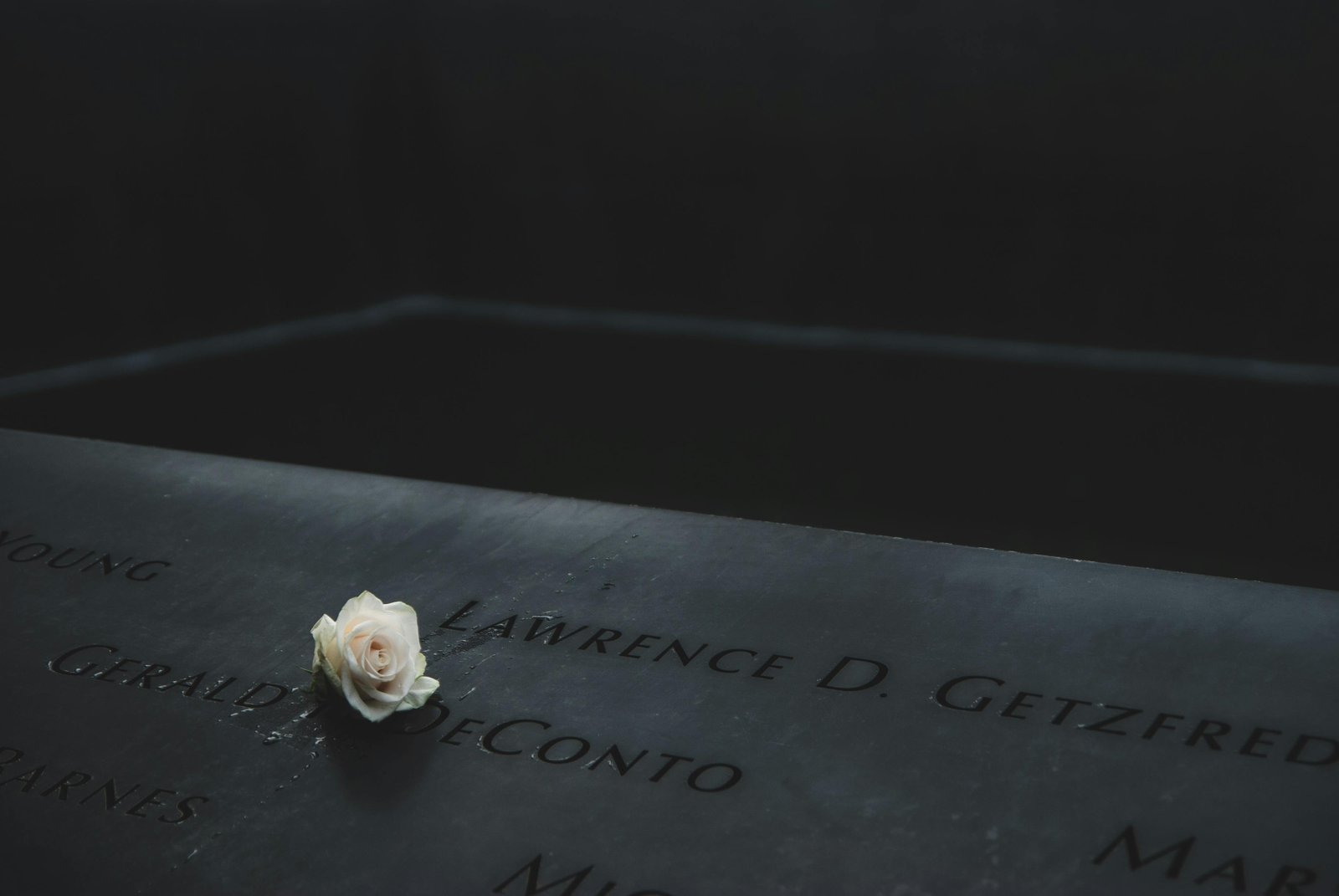
Nigeria, a country rich in culture, diversity, and resources, has unfortunately witnessed a tumultuous past marked by tragic conflicts that have left a lasting impact on its people and society. From tribal disputes to political struggles and religious tensions, the history of Nigeria is marred by violence and bloodshed that continue to shape the nation's trajectory to this day. One of the most tragic conflicts in Nigeria's history can be traced back to the Biafran War, also known as the Nigerian Civil War, which occurred from 1967 to 1970. The war was fought between the government of Nigeria, led by the Hausa-Fulani-dominated military regime, and the secessionist state of Biafra, primarily inhabited by the Igbo ethnic group. The conflict, fueled by ethnic and political tensions, resulted in a devastating loss of life, widespread famine, and displacement of millions of civilians. The Biafran War remains a painful chapter in Nigeria's history, highlighting the deep-rooted divisions and unresolved grievances within the country. In addition to the Biafran War, Nigeria has been plagued by numerous other conflicts, including communal clashes, religious violence, and militant insurgencies. The recurring cycle of violence has led to a sense of insecurity and instability in various parts of the country, hindering social cohesion, economic development, and political progress. From the Niger Delta region, where oil-related conflicts have fueled unrest among local communities, to the volatile regions in the north plagued by Boko Haram insurgency, Nigeria continues to grapple with the aftermath of past conflicts and the emergence of new challenges. The tragedies of Nigeria's history serve as a somber reminder of the importance of addressing underlying grievances, promoting reconciliation, and fostering inclusive governance to prevent further escalation of conflicts and promote sustainable peace. Efforts to promote dialogue, address root causes of conflict, and build trust among diverse communities are essential steps towards healing the wounds of the past and building a more peaceful and prosperous future for all Nigerians. As Nigeria continues on its journey towards national cohesion and progress, it is crucial to acknowledge and learn from the tragic conflicts of its history. By confronting the legacies of violence and division, and working together towards a shared vision of unity and prosperity, Nigeria can overcome its turbulent past and forge a path towards a more peaceful and harmonious society for generations to come.
Leave a Comment:
SEARCH
Recent News
- Zurich, Switzerland is a vibrant city known for its rich cultural scene and diverse music offerings. One unique aspect of Zurich's music scene is the presence of Sudanese music, which has found a home in the city's melting pot of cultures.
- Visiting Zurich, Switzerland, can be an enriching experience for music lovers from all corners of the world. While the city may not be the first place that comes to mind when thinking about South African music, Zurich's diverse music scene offers a glimpse into the vibrant sounds of this African nation.
- Zurich, Switzerland is a vibrant city known for its stunning architecture, picturesque landscapes, and rich culture. One aspect of Zurich's cultural scene that often goes under the radar is its regional music. The city and its surrounding areas are home to a diverse range of musical styles, reflecting the multiculturalism and artistic diversity of the region.
- Top 5 Zurich Regional Movies You Must Watch
- Zurich, Switzerland, is a vibrant city known for its stunning architecture, picturesque landscapes, and thriving cultural scene. In recent years, the city has also become a hub for film production, attracting filmmakers from around the world. Interestingly, a connection has emerged between Zurich and Paraguay through the medium of film.
- Zurich, Switzerland: Discovering the Vibrant Norwegian Music Scene
- Zurich - A Hub for Hungarian Films
- Zurich, Switzerland: A Hub for Estonian Music
READ MORE
8 months ago Category :

Zurich, Switzerland is a vibrant city known for its rich cultural scene and diverse music offerings. One unique aspect of Zurich's music scene is the presence of Sudanese music, which has found a home in the city's melting pot of cultures.
Read More →8 months ago Category :

Visiting Zurich, Switzerland, can be an enriching experience for music lovers from all corners of the world. While the city may not be the first place that comes to mind when thinking about South African music, Zurich's diverse music scene offers a glimpse into the vibrant sounds of this African nation.
Read More →8 months ago Category :

Zurich, Switzerland is a vibrant city known for its stunning architecture, picturesque landscapes, and rich culture. One aspect of Zurich's cultural scene that often goes under the radar is its regional music. The city and its surrounding areas are home to a diverse range of musical styles, reflecting the multiculturalism and artistic diversity of the region.
Read More →8 months ago Category :
