The Cultures of Burma/Myanmar: A Tragedy Unfolding
Category : | Sub Category : Posted on 2024-10-05 22:25:23
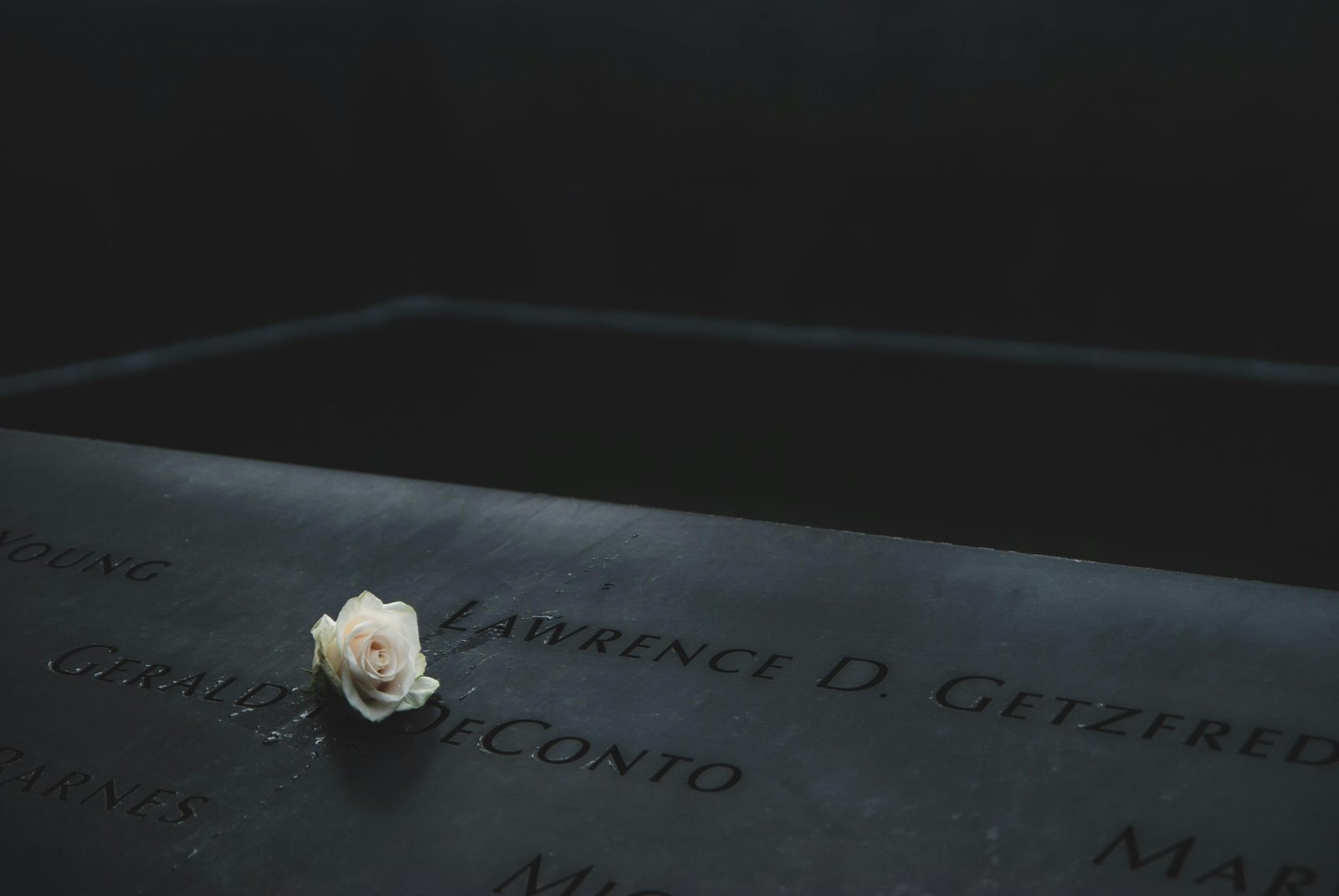
Burma, known today as Myanmar, is a country rich in cultural diversity and history. Home to over 100 different ethnic groups, each with its own unique traditions, languages, and customs, Myanmar has long been celebrated for its vibrant tapestry of cultures. However, beneath this facade of cultural richness lies a tragic reality - the suppression and erasure of minority cultures by the dominant Burmese government. The Rohingya people, a Muslim minority group in Myanmar, have been at the center of one of the most devastating cultural tragedies in recent history. Facing persecution and violence at the hands of the Burmese military, hundreds of thousands of Rohingya have been forced to flee their homes, seeking refuge in neighboring countries like Bangladesh. The systematic targeting of the Rohingya population has been condemned by the international community as ethnic cleansing and genocide. But the plight of the Rohingya is just one example of the larger issue of cultural suppression in Myanmar. The government's policies have long favored the Burmese majority, marginalizing and oppressing ethnic minority groups across the country. The Karen, Kachin, Shan, and other ethnic groups have all faced violence, discrimination, and displacement as a result of the government's actions. The tragic consequences of this cultural suppression are far-reaching. Not only do ethnic minorities suffer physical violence and displacement, but their rich cultural heritage is also at risk of being lost forever. Language, traditions, and beliefs that have been passed down through generations are under threat of being extinguished, robbing future generations of their cultural identity. In the face of this tragedy, it is crucial for the international community to take action to support and protect the cultural rights of all ethnic groups in Myanmar. Pressure must be applied to the Burmese government to end its policies of discrimination and violence, and to promote inclusivity and diversity within the country. Ultimately, the preservation of Myanmar's diverse cultures is not just a matter of heritage - it is a matter of human rights. Every culture, no matter how small or marginalized, deserves to be respected and celebrated. It is only through understanding, empathy, and solidarity that we can work towards a future where all cultures in Myanmar can thrive and coexist peacefully.
Leave a Comment:
SEARCH
Recent News
- Zurich, Switzerland is a vibrant city known for its rich cultural scene and diverse music offerings. One unique aspect of Zurich's music scene is the presence of Sudanese music, which has found a home in the city's melting pot of cultures.
- Visiting Zurich, Switzerland, can be an enriching experience for music lovers from all corners of the world. While the city may not be the first place that comes to mind when thinking about South African music, Zurich's diverse music scene offers a glimpse into the vibrant sounds of this African nation.
- Zurich, Switzerland is a vibrant city known for its stunning architecture, picturesque landscapes, and rich culture. One aspect of Zurich's cultural scene that often goes under the radar is its regional music. The city and its surrounding areas are home to a diverse range of musical styles, reflecting the multiculturalism and artistic diversity of the region.
- Top 5 Zurich Regional Movies You Must Watch
- Zurich, Switzerland, is a vibrant city known for its stunning architecture, picturesque landscapes, and thriving cultural scene. In recent years, the city has also become a hub for film production, attracting filmmakers from around the world. Interestingly, a connection has emerged between Zurich and Paraguay through the medium of film.
- Zurich, Switzerland: Discovering the Vibrant Norwegian Music Scene
- Zurich - A Hub for Hungarian Films
- Zurich, Switzerland: A Hub for Estonian Music
READ MORE
8 months ago Category :

Zurich, Switzerland is a vibrant city known for its rich cultural scene and diverse music offerings. One unique aspect of Zurich's music scene is the presence of Sudanese music, which has found a home in the city's melting pot of cultures.
Read More →8 months ago Category :

Visiting Zurich, Switzerland, can be an enriching experience for music lovers from all corners of the world. While the city may not be the first place that comes to mind when thinking about South African music, Zurich's diverse music scene offers a glimpse into the vibrant sounds of this African nation.
Read More →8 months ago Category :

Zurich, Switzerland is a vibrant city known for its stunning architecture, picturesque landscapes, and rich culture. One aspect of Zurich's cultural scene that often goes under the radar is its regional music. The city and its surrounding areas are home to a diverse range of musical styles, reflecting the multiculturalism and artistic diversity of the region.
Read More →8 months ago Category :
