Exploring Cultural Conflicts in Historical Tragedies
Category : | Sub Category : Posted on 2024-10-05 22:25:23
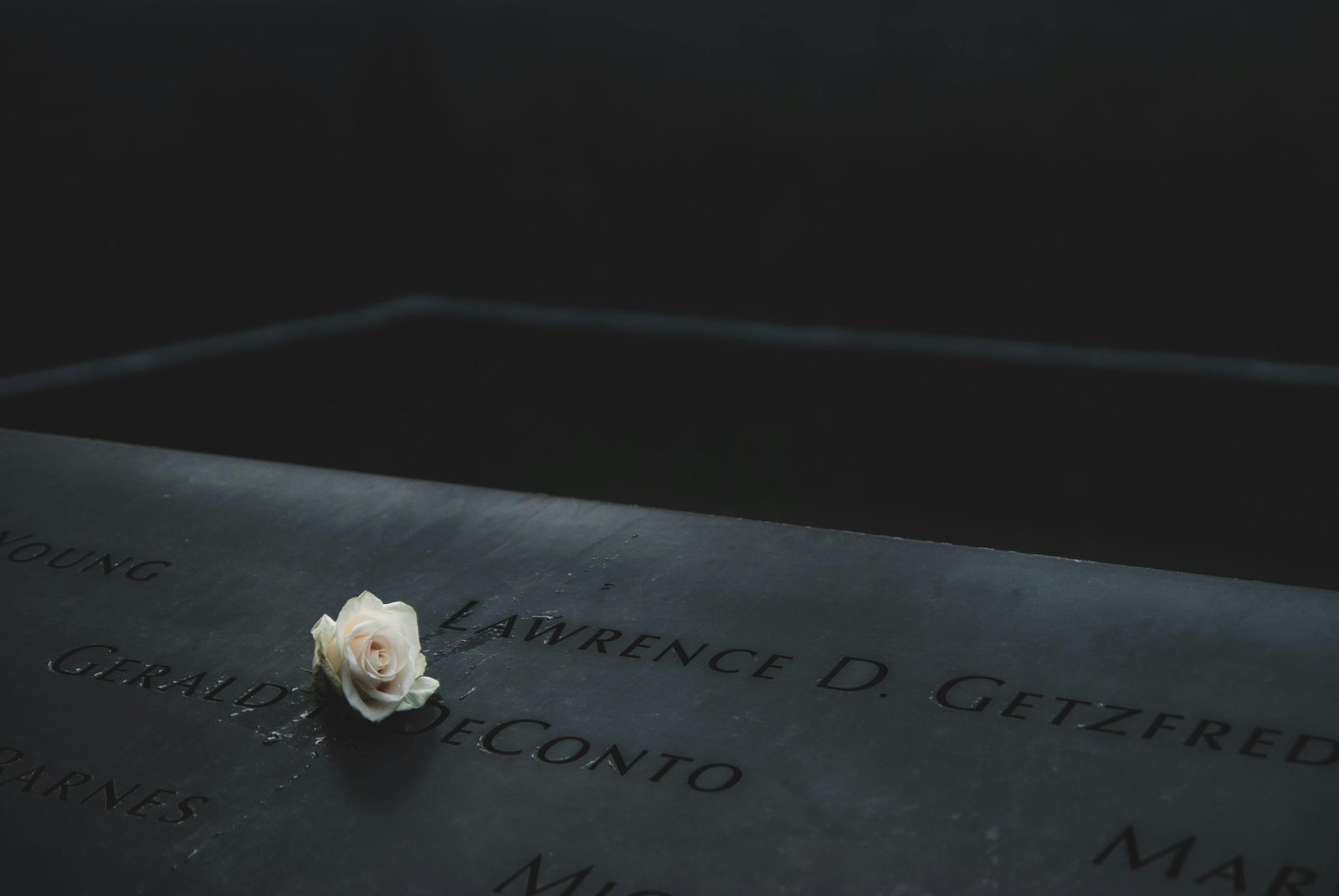
cultural conflicts have been a recurring theme throughout history, often leading to great tragedies that have shaped the course of civilizations. These conflicts arise when the values, beliefs, and practices of different cultures clash, leading to misunderstandings, resentment, and ultimately, conflict. In this blog post, we will delve into some instances of cultural conflicts in history that have resulted in tragic consequences. One of the most well-known examples of cultural conflict in history is the clash between the Native American tribes and European settlers in North America. Beginning with the arrival of Christopher Columbus in 1492, the interaction between these two cultures was marked by violence, exploitation, and ultimately, the near-extermination of entire indigenous populations. The imposition of European values, customs, and laws on the Native Americans led to the loss of their land, resources, and way of life, resulting in devastating tragedies such as the Trail of Tears and the Wounded Knee Massacre. Another tragic example of cultural conflict can be seen in the colonization of India by the British Empire. The British East India Company's conquest of India in the 18th and 19th centuries led to a clash of cultures between the colonizers and the native population. The imposition of British laws, language, and customs on the Indian people resulted in widespread resentment and resistance, culminating in tragedies such as the Jallianwala Bagh massacre and the Bengal Famine of 1943. The legacy of British colonialism in India continues to impact the country to this day, shaping its politics, society, and economy. In more recent history, the Rwandan genocide of 1994 serves as a stark example of cultural conflict leading to tragedy. The genocide, which saw the mass slaughter of hundreds of thousands of Tutsis by Hutu extremists, was rooted in deep-seated ethnic tensions and rivalries that had been exacerbated by colonial rule and political manipulation. The failure of the international community to intervene and stop the bloodshed remains a painful reminder of the devastating consequences of cultural conflicts left unchecked. Overall, the examples highlighted above demonstrate the destructive power of cultural conflicts in shaping historical tragedies. Whether driven by colonialism, ethnonationalism, or other factors, these conflicts have led to immeasurable suffering, loss, and trauma for countless individuals and communities. As we reflect on these tragic episodes from history, it is essential to learn from the past and strive for greater understanding, empathy, and respect for all cultures and peoples in our interconnected world. Only by acknowledging and addressing cultural conflicts can we hope to prevent future tragedies and build a more peaceful and harmonious global society. this link is for more information https://www.culturelle.org
Leave a Comment:
SEARCH
Recent News
- Zurich, Switzerland is a vibrant city known for its rich cultural scene and diverse music offerings. One unique aspect of Zurich's music scene is the presence of Sudanese music, which has found a home in the city's melting pot of cultures.
- Visiting Zurich, Switzerland, can be an enriching experience for music lovers from all corners of the world. While the city may not be the first place that comes to mind when thinking about South African music, Zurich's diverse music scene offers a glimpse into the vibrant sounds of this African nation.
- Zurich, Switzerland is a vibrant city known for its stunning architecture, picturesque landscapes, and rich culture. One aspect of Zurich's cultural scene that often goes under the radar is its regional music. The city and its surrounding areas are home to a diverse range of musical styles, reflecting the multiculturalism and artistic diversity of the region.
- Top 5 Zurich Regional Movies You Must Watch
- Zurich, Switzerland, is a vibrant city known for its stunning architecture, picturesque landscapes, and thriving cultural scene. In recent years, the city has also become a hub for film production, attracting filmmakers from around the world. Interestingly, a connection has emerged between Zurich and Paraguay through the medium of film.
- Zurich, Switzerland: Discovering the Vibrant Norwegian Music Scene
- Zurich - A Hub for Hungarian Films
- Zurich, Switzerland: A Hub for Estonian Music
READ MORE
8 months ago Category :

Zurich, Switzerland is a vibrant city known for its rich cultural scene and diverse music offerings. One unique aspect of Zurich's music scene is the presence of Sudanese music, which has found a home in the city's melting pot of cultures.
Read More →8 months ago Category :

Visiting Zurich, Switzerland, can be an enriching experience for music lovers from all corners of the world. While the city may not be the first place that comes to mind when thinking about South African music, Zurich's diverse music scene offers a glimpse into the vibrant sounds of this African nation.
Read More →8 months ago Category :

Zurich, Switzerland is a vibrant city known for its stunning architecture, picturesque landscapes, and rich culture. One aspect of Zurich's cultural scene that often goes under the radar is its regional music. The city and its surrounding areas are home to a diverse range of musical styles, reflecting the multiculturalism and artistic diversity of the region.
Read More →8 months ago Category :
