Understanding the Cultures of Rwanda and the Tragedy of the Genocide
Category : | Sub Category : Posted on 2024-10-05 22:25:23
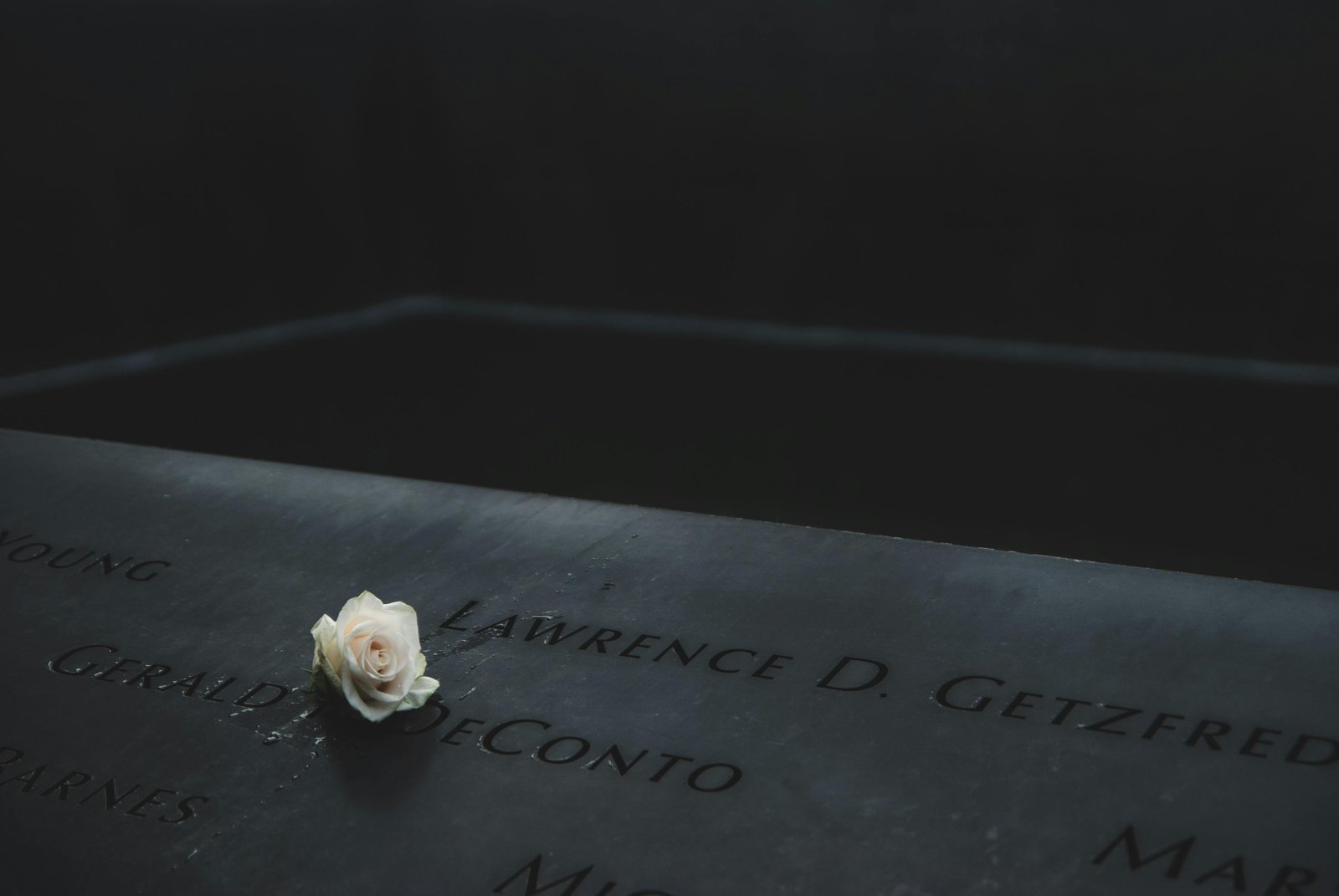
Rwanda is a country known for its rich cultural heritage, stunning landscapes, and tragic history. The Rwandan people are made up of various ethnic groups, with the two main groups being the Hutu and Tutsi. These groups had a long history of coexistence and intermarriage, but the colonial legacy of the Belgians heightened tensions between them, eventually leading to one of the worst tragedies in modern history - the Rwandan Genocide of 1994. The cultural landscape of Rwanda is diverse and vibrant, with traditions, music, dance, and art that reflect the collective identity of its people. The traditional clothing, known as the "imishanana" for women and "ibitenge" for men, are colorful and symbolize the beauty and pride of Rwandan culture. Music and dance play a significant role in Rwandan society, with performances such as the Intore dance showcasing the agility and strength of the dancers. However, this beautiful cultural tapestry was torn apart during the 1994 genocide that saw the mass murder of an estimated 800,000 Rwandans, mostly Tutsis but also moderate Hutus. The world watched in horror as neighbor turned against neighbor, fueled by ethnic hatred and political manipulation. The deep-seated divisions between the Hutu and Tutsi communities, manipulated by propaganda and colonial legacies, erupted into violence that scarred the nation and its people. In the aftermath of the genocide, Rwanda has made significant strides towards reconciliation and healing. The country has implemented policies aimed at fostering unity and rebuilding trust among its people. Initiatives such as gacaca courts, where community trials were held to bring perpetrators to justice, and the promotion of a shared national identity have helped in the healing process. Today, Rwanda serves as a powerful example of resilience and reconciliation. The people have worked tirelessly to rebuild their nation, preserve their culture, and ensure that the horrors of the past are never repeated. By honoring their cultural heritage and embracing their shared identity as Rwandans, the country has made tremendous progress towards a brighter future. As we reflect on the cultures of Rwanda and the tragedy of the genocide, let us not forget the resilience and strength of the Rwandan people. Through acknowledging the past, fostering unity, and promoting a shared cultural identity, Rwanda continues to rise above its tragic history and inspire hope for a better tomorrow.
Leave a Comment:
SEARCH
Recent News
- Zurich, Switzerland is a vibrant city known for its rich cultural scene and diverse music offerings. One unique aspect of Zurich's music scene is the presence of Sudanese music, which has found a home in the city's melting pot of cultures.
- Visiting Zurich, Switzerland, can be an enriching experience for music lovers from all corners of the world. While the city may not be the first place that comes to mind when thinking about South African music, Zurich's diverse music scene offers a glimpse into the vibrant sounds of this African nation.
- Zurich, Switzerland is a vibrant city known for its stunning architecture, picturesque landscapes, and rich culture. One aspect of Zurich's cultural scene that often goes under the radar is its regional music. The city and its surrounding areas are home to a diverse range of musical styles, reflecting the multiculturalism and artistic diversity of the region.
- Top 5 Zurich Regional Movies You Must Watch
- Zurich, Switzerland, is a vibrant city known for its stunning architecture, picturesque landscapes, and thriving cultural scene. In recent years, the city has also become a hub for film production, attracting filmmakers from around the world. Interestingly, a connection has emerged between Zurich and Paraguay through the medium of film.
- Zurich, Switzerland: Discovering the Vibrant Norwegian Music Scene
- Zurich - A Hub for Hungarian Films
- Zurich, Switzerland: A Hub for Estonian Music
READ MORE
8 months ago Category :

Zurich, Switzerland is a vibrant city known for its rich cultural scene and diverse music offerings. One unique aspect of Zurich's music scene is the presence of Sudanese music, which has found a home in the city's melting pot of cultures.
Read More →8 months ago Category :

Visiting Zurich, Switzerland, can be an enriching experience for music lovers from all corners of the world. While the city may not be the first place that comes to mind when thinking about South African music, Zurich's diverse music scene offers a glimpse into the vibrant sounds of this African nation.
Read More →8 months ago Category :

Zurich, Switzerland is a vibrant city known for its stunning architecture, picturesque landscapes, and rich culture. One aspect of Zurich's cultural scene that often goes under the radar is its regional music. The city and its surrounding areas are home to a diverse range of musical styles, reflecting the multiculturalism and artistic diversity of the region.
Read More →8 months ago Category :
