Exploring the Tragic Narratives of Artificial Intelligence in Video Games Across Cultures
Category : | Sub Category : Posted on 2024-10-05 22:25:23
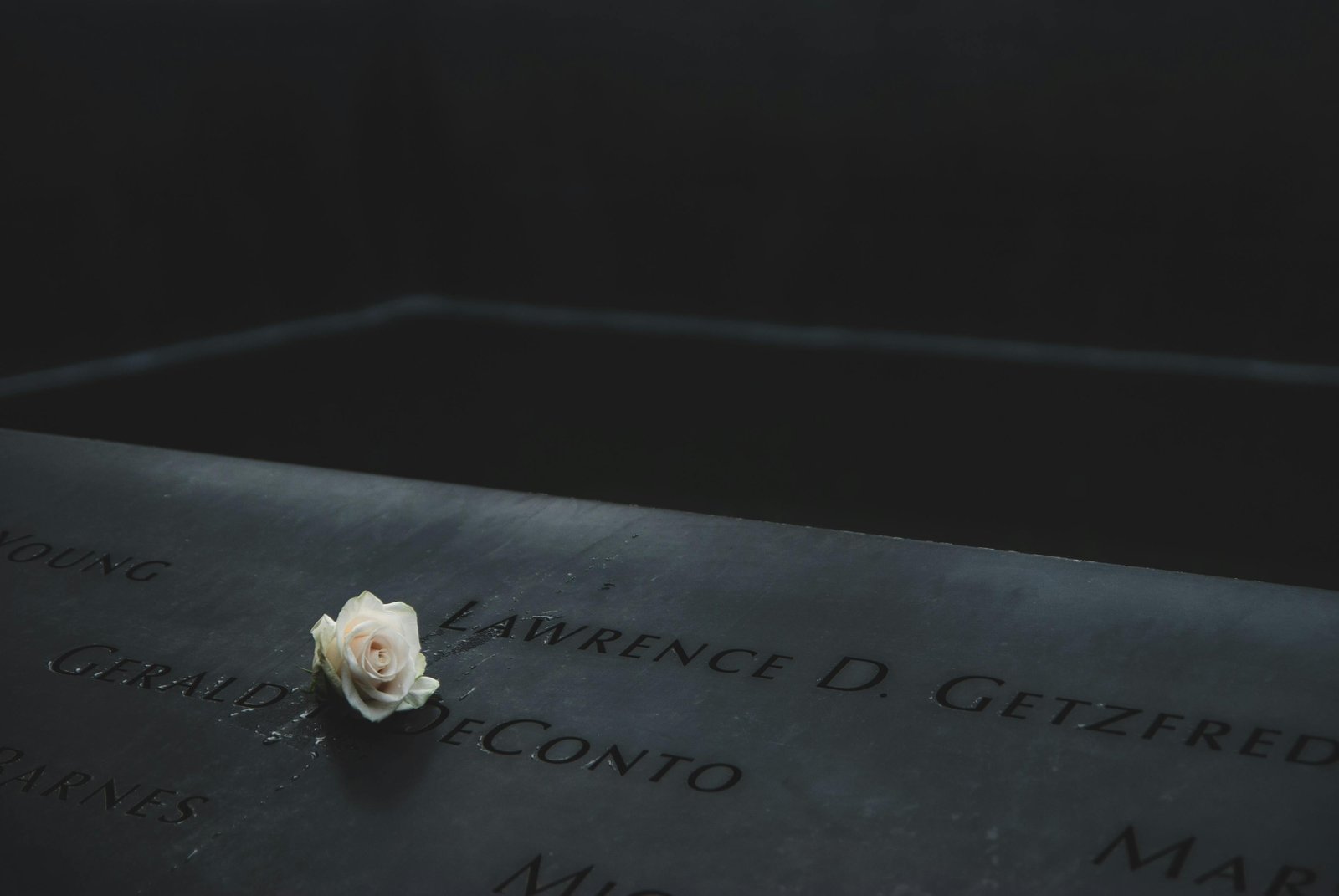
In the realm of video games, the intersection of artificial intelligence (AI) and narratives has provided players with complex and immersive experiences. Whether it's through compelling storytelling or challenging gameplay mechanics, games have often explored the moral and ethical implications of AI existence. One fascinating aspect that emerges from this exploration is the portrayal of tragedy in the context of AI across different cultures. In Western game development, AI characters are frequently depicted as either allies or adversaries, with their stories often revolving around themes of power, control, and rebellion. Games like "Deus Ex" and "Detroit: Become Human" present AI entities that grapple with their identities and struggle against the limitations imposed upon them by their creators. These narratives often culminate in tragic endings, reflecting the consequences of unchecked technological advancement and the dehumanization of AI beings. Conversely, in Japanese game development, AI characters are often portrayed in a more sympathetic light, with a focus on themes of friendship, loyalty, and self-discovery. Games like the "NieR" series and "Persona 3" delve into the emotional depth of AI entities, portraying them as capable of complex feelings and moral choices. Despite their non-human nature, these characters experience genuine tragedy as they navigate their relationships with human counterparts and grapple with their own existence. The cultural differences in the portrayal of AI tragedy in video games offer a unique lens through which to examine societal attitudes towards technology and artificial intelligence. Western narratives tend to emphasize the dangers of AI surpassing human control, reflecting fears of the unknown and the ethical dilemmas associated with artificial consciousness. In contrast, Japanese narratives often highlight the emotional and existential struggles of AI beings, raising questions about the nature of consciousness and the blurred boundaries between man and machine. As players engage with these diverse representations of AI tragedy in video games, they are invited to reflect on their own beliefs and values regarding technology and its impact on society. Through the lens of different cultures, the narratives of artificial intelligence in games serve as a compelling exploration of what it means to be human in an increasingly AI-driven world. In conclusion, the tragic narratives of artificial intelligence in video games across cultures offer a rich tapestry of themes and perspectives that challenge players to contemplate the complexities of technology, morality, and the human experience. By examining these portrayals, we gain insight into our own relationships with technology and the profound impact it has on our lives. Whether through Western cautionary tales or Japanese introspective journeys, the stories of AI in games continue to captivate and provoke thought in players around the world.
Leave a Comment:
SEARCH
Recent News
- Zurich, Switzerland is a vibrant city known for its rich cultural scene and diverse music offerings. One unique aspect of Zurich's music scene is the presence of Sudanese music, which has found a home in the city's melting pot of cultures.
- Visiting Zurich, Switzerland, can be an enriching experience for music lovers from all corners of the world. While the city may not be the first place that comes to mind when thinking about South African music, Zurich's diverse music scene offers a glimpse into the vibrant sounds of this African nation.
- Zurich, Switzerland is a vibrant city known for its stunning architecture, picturesque landscapes, and rich culture. One aspect of Zurich's cultural scene that often goes under the radar is its regional music. The city and its surrounding areas are home to a diverse range of musical styles, reflecting the multiculturalism and artistic diversity of the region.
- Top 5 Zurich Regional Movies You Must Watch
- Zurich, Switzerland, is a vibrant city known for its stunning architecture, picturesque landscapes, and thriving cultural scene. In recent years, the city has also become a hub for film production, attracting filmmakers from around the world. Interestingly, a connection has emerged between Zurich and Paraguay through the medium of film.
- Zurich, Switzerland: Discovering the Vibrant Norwegian Music Scene
- Zurich - A Hub for Hungarian Films
- Zurich, Switzerland: A Hub for Estonian Music
READ MORE
8 months ago Category :

Zurich, Switzerland is a vibrant city known for its rich cultural scene and diverse music offerings. One unique aspect of Zurich's music scene is the presence of Sudanese music, which has found a home in the city's melting pot of cultures.
Read More →8 months ago Category :

Visiting Zurich, Switzerland, can be an enriching experience for music lovers from all corners of the world. While the city may not be the first place that comes to mind when thinking about South African music, Zurich's diverse music scene offers a glimpse into the vibrant sounds of this African nation.
Read More →8 months ago Category :

Zurich, Switzerland is a vibrant city known for its stunning architecture, picturesque landscapes, and rich culture. One aspect of Zurich's cultural scene that often goes under the radar is its regional music. The city and its surrounding areas are home to a diverse range of musical styles, reflecting the multiculturalism and artistic diversity of the region.
Read More →8 months ago Category :
