**Unraveling the Concept of Tragedy Across Cultures**
Category : | Sub Category : Posted on 2024-10-05 22:25:23
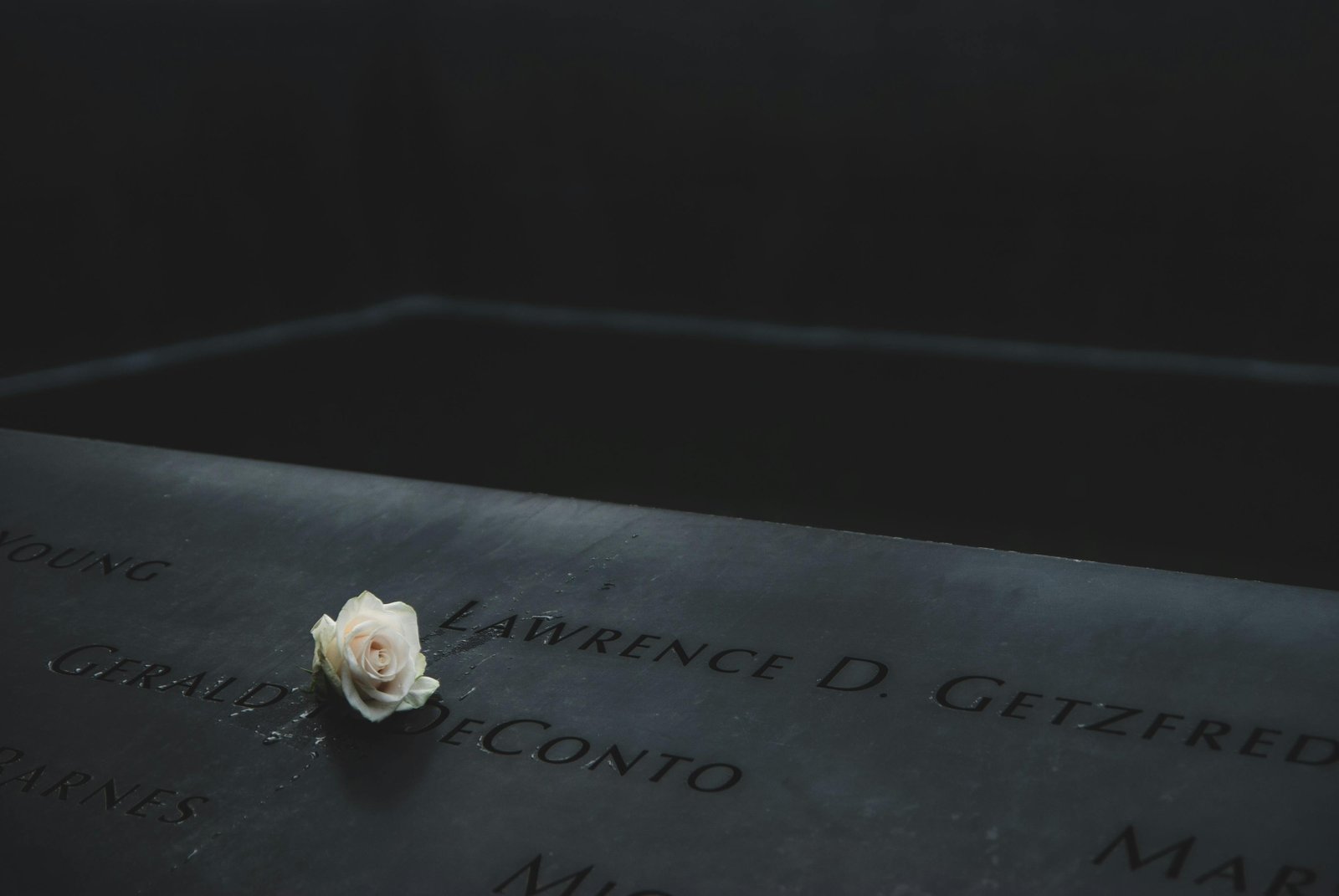
Tragedy is a universal concept that transcends geographical boundaries and cultural differences. While the interpretation of tragedy may vary from one culture to another, its essence remains consistent - a narrative that revolves around suffering, loss, and the inevitable downfall of the protagonist. In Western culture, the concept of tragedy traces its origins back to ancient Greek literature, particularly the works of playwrights like Sophocles, Euripides, and Aeschylus. These tragedies often centered around themes of fate, hubris, and the inner flaws of the characters leading to their eventual downfall. The notion of a tragic hero, a central figure whose actions result in catastrophic consequences, is a recurring motif in Western tragic narratives. On the other hand, in Asian cultures such as Japanese Kabuki theater or Chinese opera, tragedy is often depicted through a different lens. These performances frequently explore themes of duty, honor, and sacrifice, emphasizing the interconnectedness of individuals with their society and ancestors. The focus is not just on the personal tragedy of the protagonist but also on the broader implications for the community at large. In African cultures, tragedy is often interwoven with folklore, myth, and ritual, reflecting the collective nature of suffering and redemption. Stories of ancestral spirits, supernatural forces, and moral dilemmas serve as vehicles to understand the complexities of human existence and the cyclical nature of life and death. Despite the diverse manifestations of tragedy across cultures, there are common threads that bind these narratives together. The inevitability of suffering, the fragility of human existence, and the search for meaning amidst chaos are recurrent themes that resonate universally. Tragedy, in its purest form, serves as a mirror that reflects the human condition in all its complexity and contradictions. In today's interconnected world, the exploration of tragedy across cultures provides a valuable opportunity for dialogue, empathy, and understanding. By delving into the nuances of different tragic traditions, we can broaden our perspectives, cultivate a deeper appreciation for cultural diversity, and forge connections that transcend language and borders. As we navigate the intricacies of tragedy in its myriad forms, let us remember that at the core of these narratives lies a profound exploration of what it means to be human - flawed, vulnerable, yet capable of resilience and redemption in the face of adversity. Tragedy, in all its complexity and richness, reminds us of our shared humanity and the enduring power of storytelling to illuminate the darkest corners of the human soul.
Leave a Comment:
SEARCH
Recent News
- Zurich, Switzerland is a vibrant city known for its rich cultural scene and diverse music offerings. One unique aspect of Zurich's music scene is the presence of Sudanese music, which has found a home in the city's melting pot of cultures.
- Visiting Zurich, Switzerland, can be an enriching experience for music lovers from all corners of the world. While the city may not be the first place that comes to mind when thinking about South African music, Zurich's diverse music scene offers a glimpse into the vibrant sounds of this African nation.
- Zurich, Switzerland is a vibrant city known for its stunning architecture, picturesque landscapes, and rich culture. One aspect of Zurich's cultural scene that often goes under the radar is its regional music. The city and its surrounding areas are home to a diverse range of musical styles, reflecting the multiculturalism and artistic diversity of the region.
- Top 5 Zurich Regional Movies You Must Watch
- Zurich, Switzerland, is a vibrant city known for its stunning architecture, picturesque landscapes, and thriving cultural scene. In recent years, the city has also become a hub for film production, attracting filmmakers from around the world. Interestingly, a connection has emerged between Zurich and Paraguay through the medium of film.
- Zurich, Switzerland: Discovering the Vibrant Norwegian Music Scene
- Zurich - A Hub for Hungarian Films
- Zurich, Switzerland: A Hub for Estonian Music
READ MORE
8 months ago Category :

Zurich, Switzerland is a vibrant city known for its rich cultural scene and diverse music offerings. One unique aspect of Zurich's music scene is the presence of Sudanese music, which has found a home in the city's melting pot of cultures.
Read More →8 months ago Category :

Visiting Zurich, Switzerland, can be an enriching experience for music lovers from all corners of the world. While the city may not be the first place that comes to mind when thinking about South African music, Zurich's diverse music scene offers a glimpse into the vibrant sounds of this African nation.
Read More →8 months ago Category :

Zurich, Switzerland is a vibrant city known for its stunning architecture, picturesque landscapes, and rich culture. One aspect of Zurich's cultural scene that often goes under the radar is its regional music. The city and its surrounding areas are home to a diverse range of musical styles, reflecting the multiculturalism and artistic diversity of the region.
Read More →8 months ago Category :
