Cultures Tragedy Essays: Exploring the Depths of Human Experience
Category : | Sub Category : Posted on 2024-10-05 22:25:23
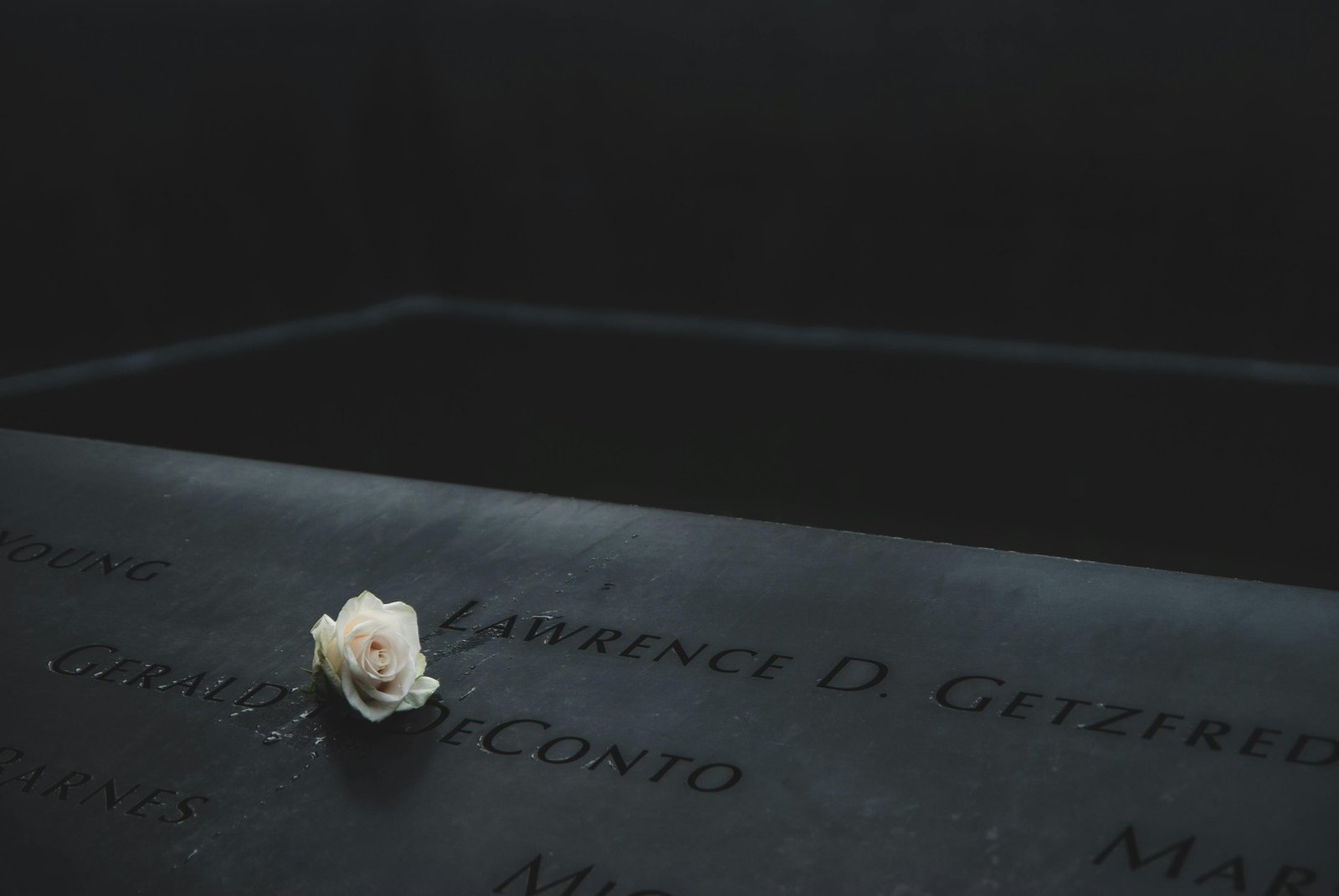
Tragedy has been a recurring theme in literature across various cultures and epochs. The exploration of tragedy in essays allows writers to delve into the depths of human experience, showcasing the triumphs and tribulations that shape our existence. By examining how different cultures perceive and portray tragedy, we gain insight into the universal aspects of human suffering and resilience. One of the most famous tragedies in Western literature is William Shakespeare's play "Romeo and Juliet," a tale of star-crossed lovers from feuding families whose love ultimately leads to their tragic demise. Through this story, Shakespeare highlights the destructive power of hatred and the consequences of impulsive actions. The enduring popularity of "Romeo and Juliet" speaks to its timeless themes that resonate with audiences across cultures and generations. In contrast, traditional Japanese literature, such as the works of renowned author Yukio Mishima, often explores themes of personal tragedy and societal expectations. Mishima's novella "The Sailor Who Fell from Grace with the Sea" delves into the complexities of honor, loyalty, and the clash between individual desires and societal norms. Through his vivid prose and vivid characters, Mishima underscores the high cost of following one's own path in a society that values conformity. Moving to African literature, authors like Chinua Achebe address themes of cultural tragedy stemming from colonialism and the clash of traditional beliefs with modernity. In his novel "Things Fall Apart," Achebe illustrates the devastating impact of European colonization on a Nigerian village and the tragic unraveling of its social fabric. By portraying the loss of cultural identity and the erosion of traditional values, Achebe captures the profound sense of loss and dislocation experienced by many post-colonial societies. Exploring the theme of tragedy in essays allows writers to reflect on the complexities of human experience and the ways in which different cultures grapple with suffering and adversity. Whether through the lens of Shakespearean drama, Japanese literature, or African narratives, these essays shed light on the universal truths that unite us in our shared humanity. By delving into the diverse perspectives on tragedy, we gain a deeper understanding of the resilience, compassion, and interconnectedness that define the human condition. In conclusion, cultures tragedy essays serve as a powerful medium for exploring the depths of human experience and reflecting on the enduring themes that bind us together across borders and time. Through these poignant narratives, we are reminded of the fragility of life, the resilience of the human spirit, and the profound connections that transcend cultural differences. Seeking answers? You might find them in https://www.culturelle.org
Leave a Comment:
SEARCH
Recent News
- Zurich, Switzerland is a vibrant city known for its rich cultural scene and diverse music offerings. One unique aspect of Zurich's music scene is the presence of Sudanese music, which has found a home in the city's melting pot of cultures.
- Visiting Zurich, Switzerland, can be an enriching experience for music lovers from all corners of the world. While the city may not be the first place that comes to mind when thinking about South African music, Zurich's diverse music scene offers a glimpse into the vibrant sounds of this African nation.
- Zurich, Switzerland is a vibrant city known for its stunning architecture, picturesque landscapes, and rich culture. One aspect of Zurich's cultural scene that often goes under the radar is its regional music. The city and its surrounding areas are home to a diverse range of musical styles, reflecting the multiculturalism and artistic diversity of the region.
- Top 5 Zurich Regional Movies You Must Watch
- Zurich, Switzerland, is a vibrant city known for its stunning architecture, picturesque landscapes, and thriving cultural scene. In recent years, the city has also become a hub for film production, attracting filmmakers from around the world. Interestingly, a connection has emerged between Zurich and Paraguay through the medium of film.
- Zurich, Switzerland: Discovering the Vibrant Norwegian Music Scene
- Zurich - A Hub for Hungarian Films
- Zurich, Switzerland: A Hub for Estonian Music
READ MORE
8 months ago Category :

Zurich, Switzerland is a vibrant city known for its rich cultural scene and diverse music offerings. One unique aspect of Zurich's music scene is the presence of Sudanese music, which has found a home in the city's melting pot of cultures.
Read More →8 months ago Category :

Visiting Zurich, Switzerland, can be an enriching experience for music lovers from all corners of the world. While the city may not be the first place that comes to mind when thinking about South African music, Zurich's diverse music scene offers a glimpse into the vibrant sounds of this African nation.
Read More →8 months ago Category :

Zurich, Switzerland is a vibrant city known for its stunning architecture, picturesque landscapes, and rich culture. One aspect of Zurich's cultural scene that often goes under the radar is its regional music. The city and its surrounding areas are home to a diverse range of musical styles, reflecting the multiculturalism and artistic diversity of the region.
Read More →8 months ago Category :
