The Tragedy of Urban Redevelopment: Impact on Cultures
Category : | Sub Category : Posted on 2024-10-05 22:25:23
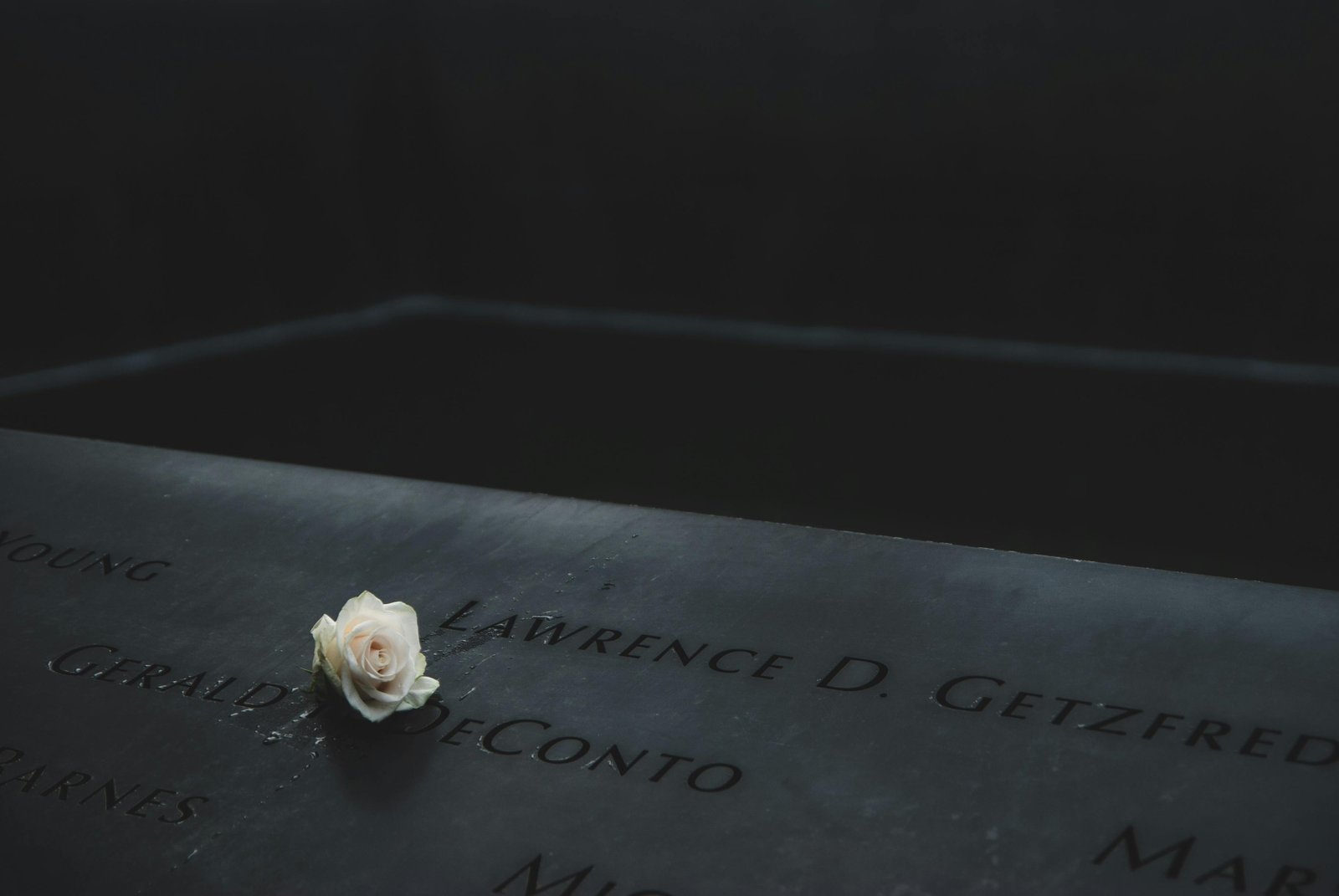
Urban redevelopment is a double-edged sword that can bring both new opportunities and challenges to a city. While it aims to rejuvenate and revitalize urban areas, this process often leads to the displacement of communities and the erasure of cultural heritage. The clash between development goals and the preservation of cultural identity has sparked a debate that continues to shape the urban landscape. Cultural diversity is a vital component of any thriving city. It enriches the social fabric, adds vibrancy to neighborhoods, and contributes to a sense of place. However, when urban redevelopment projects prioritize economic gain over cultural preservation, communities are at risk of losing their identity and history. Gentrification, a common consequence of redevelopment, can price out longtime residents, forcing them to leave their homes and disrupting the social cohesion that once existed. The tragedy of urban redevelopment lies in the fact that marginalized communities, often comprising minority groups and low-income families, bear the greatest burden. As luxury condos and upscale amenities replace affordable housing and mom-and-pop shops, the cultural vibrancy that once defined a neighborhood is diminished. The loss of cultural landmarks, traditions, and social networks can have far-reaching consequences, leading to displacement, isolation, and a sense of alienation among residents. In the face of this challenge, cities must adopt a more inclusive approach to urban redevelopment that prioritizes cultural preservation and community engagement. By involving local residents in decision-making processes, promoting affordable housing initiatives, and supporting cultural institutions, cities can mitigate the negative impacts of redevelopment on communities. Embracing a more holistic and culturally sensitive approach to urban planning can help preserve the unique identities that make cities vibrant and diverse. Ultimately, the tragedy of urban redevelopment is a complex issue that requires a delicate balance between progress and preservation. By valuing and safeguarding cultural heritage in the face of development pressures, cities can create a more equitable and inclusive urban environment that celebrates the richness of its diverse cultures. Only through a collaborative and empathetic approach can cities ensure that their redevelopment efforts do not come at the expense of their cultural soul.
https://desencadenar.org
https://constructional.org
Leave a Comment:
SEARCH
Recent News
- Zurich, Switzerland is a vibrant city known for its rich cultural scene and diverse music offerings. One unique aspect of Zurich's music scene is the presence of Sudanese music, which has found a home in the city's melting pot of cultures.
- Visiting Zurich, Switzerland, can be an enriching experience for music lovers from all corners of the world. While the city may not be the first place that comes to mind when thinking about South African music, Zurich's diverse music scene offers a glimpse into the vibrant sounds of this African nation.
- Zurich, Switzerland is a vibrant city known for its stunning architecture, picturesque landscapes, and rich culture. One aspect of Zurich's cultural scene that often goes under the radar is its regional music. The city and its surrounding areas are home to a diverse range of musical styles, reflecting the multiculturalism and artistic diversity of the region.
- Top 5 Zurich Regional Movies You Must Watch
- Zurich, Switzerland, is a vibrant city known for its stunning architecture, picturesque landscapes, and thriving cultural scene. In recent years, the city has also become a hub for film production, attracting filmmakers from around the world. Interestingly, a connection has emerged between Zurich and Paraguay through the medium of film.
- Zurich, Switzerland: Discovering the Vibrant Norwegian Music Scene
- Zurich - A Hub for Hungarian Films
- Zurich, Switzerland: A Hub for Estonian Music
READ MORE
8 months ago Category :

Zurich, Switzerland is a vibrant city known for its rich cultural scene and diverse music offerings. One unique aspect of Zurich's music scene is the presence of Sudanese music, which has found a home in the city's melting pot of cultures.
Read More →8 months ago Category :

Visiting Zurich, Switzerland, can be an enriching experience for music lovers from all corners of the world. While the city may not be the first place that comes to mind when thinking about South African music, Zurich's diverse music scene offers a glimpse into the vibrant sounds of this African nation.
Read More →8 months ago Category :

Zurich, Switzerland is a vibrant city known for its stunning architecture, picturesque landscapes, and rich culture. One aspect of Zurich's cultural scene that often goes under the radar is its regional music. The city and its surrounding areas are home to a diverse range of musical styles, reflecting the multiculturalism and artistic diversity of the region.
Read More →8 months ago Category :
